Vermont Planting Guide

Why Frost Dates Matter
Frost dates help guide when it is safe to plant outdoors.
Some crops love cool weather and can handle chilly spring days. Others, like tomatoes, peppers, basil, cucumbers, and squash, prefer warmth and should wait until the danger of frost has passed.
When in doubt, wait a little longer. Vermont spring likes to trick us.
At the Northfield Street Community Garden, timing your planting makes a big difference. Knowing when frost is likely to come and go helps gardeners decide when to start seeds, transplant seedlings, and protect tender plants.
Because Vermont has a shorter growing season, a little planning can help your garden get off to a strong start.
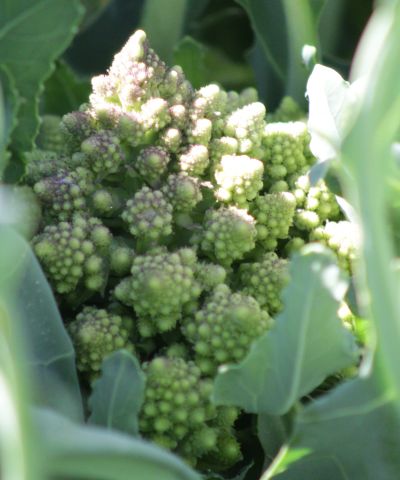
Cool-Season Crops
These crops can usually be planted earlier in the season because they tolerate cooler temperatures:
- Lettuce
- Spinach
- Kale
- Peas
- Radishes
- Carrots
- Beets
- Broccoli
- Cabbage
These are great options for early spring planting. squash, prefer warmth and should wait until the danger of frost has passed.
When in doubt, wait a little longer. Vermont spring likes to trick us.
At the Northfield Street Community Garden, timing your planting makes a big difference. Knowing when frost is likely to come and go helps gardeners decide when to start seeds, transplant seedlings, and protect tender plants.
Because Vermont has a shorter growing season, a little planning can help your garden get off to a strong start.

Warm-Season Crops
These plants should wait until the soil and weather are warmer:
- Tomatoes
- Peppers
- Cucumbers
- Squash
- Beans
- Basil
- Corn
- Melons
These crops do best after the risk of frost has passed and nights are consistently warmer.

Warm-Season Crops
These plants should wait until the soil and weather are warmer:
- Tomatoes
- Peppers
- Cucumbers
- Squash
- Beans
- Basil
- Corn
- Melons
These crops do best after the risk of frost has passed and nights are consistently warmer.

Seed Starting Tips
Starting seeds indoors can give your garden a head start.
Good crops to start indoors include:
- Tomatoes
- Peppers
- Broccoli
- Cabbage
- Herbs
- Flowers
Be sure seedlings are hardened off before planting outside. That means slowly introducing them to outdoor conditions over several days so they don’t get shocked.
Tiny plants are dramatic. We support them anyway.
Direct Sowing Tips
Some seeds prefer to be planted directly into the garden soil.
Good direct-sow crops include:
- Beans
- Peas
- Carrots
- Radishes
- Beets
- Lettuce
- Spinach
- Squash
- Cucumbers
Check seed packets for spacing, depth, and timing.
Volunteer Adventures: Inspiring Change Through Photos

Zone 3 Planting Schedule
Zone 4 Planting Schedule

Zone 5 Planting Schedule